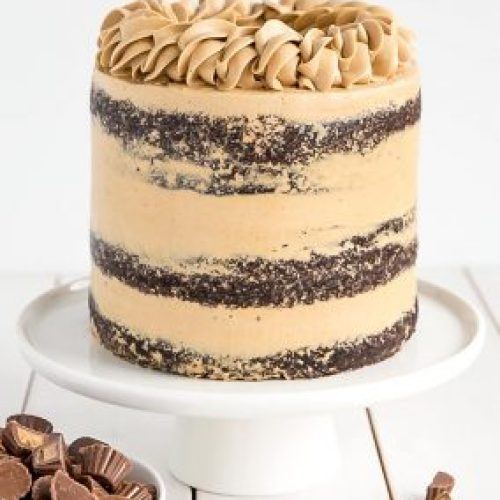
Cheese 'n Onion Bread
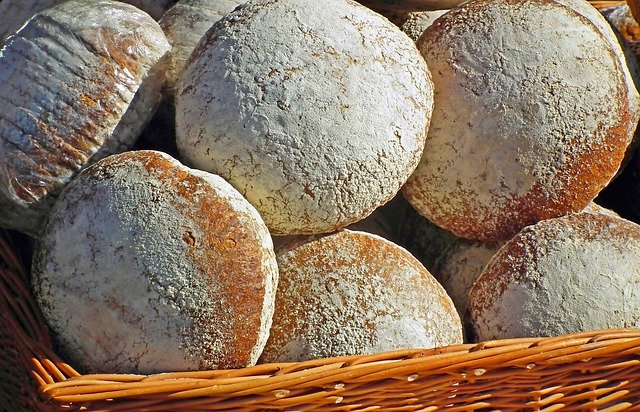
Ingredients & Directions 1 1/4 c Milk 1/8 ts Paprika 2 tb Butter 3 1/2 c Flour, bread 1 tb Sugar 1 pk Yeast; 2 to 3 tsp. 1 ts Salt 1 c Cheese, Cheddar; shredded 1/2 ts Garlic powder 1/3 c Onion, red; minced Measure ingredients into baking pan according to order recommended by your machine. Select “raisin bread” setting. NOTE: 1-1/8 cups water and 1 tbsp. powdered milk may be used instead of 1-1/4 cup fresh milk. Yields 1 1/2 lb.
Standard Ff Bread Recipe
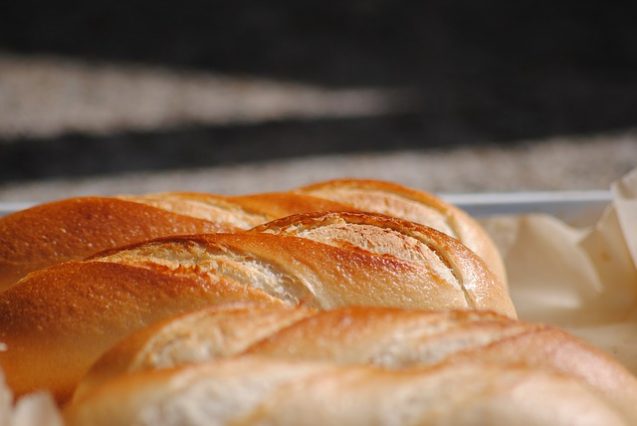
Ingredients & Directions 3 c Bread flour 1 c Whole wheat flour 1 Packet/2 1/4 tsp yeast 1 tb Sugar 1 ts Salt 1 tb Powdered skim milk or soy Milk (optional, but I think It helps) 1 1/2 c Hot water. Follow usual procedure for breadmaker. Makes a 1 1/2 lb loaf. I think this works out to 70 cal, 0.5 g fat per ounce. Yields 1 Servings
Jewish Rye Cornmeal Bread
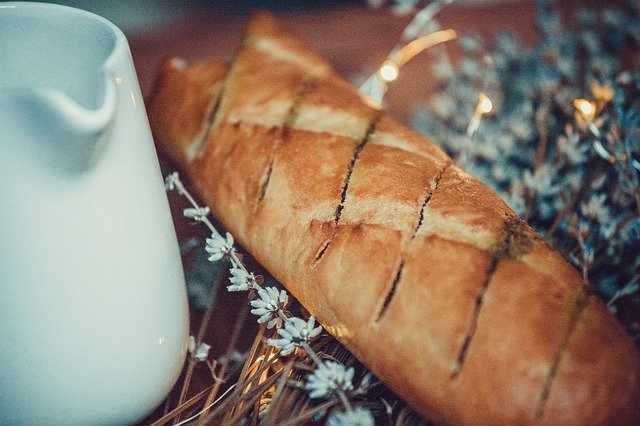
Ingredients & Directions md LOAF 1 1/8 c Water — 1 1/2 cup 1 1/2 tb Oil — 2 tbsp. 2 1/3 tb Honey — 3 tbsp. 1/3 ts Salt — 1/2 tsp. 1 1/2 ts Caraway seeds — 2 tsp. 1/3 c Cornmeal — 1/2 cup 2/3 c Rye flour — 1 cup 2 c Bread flour — 2 1/2 cups 1 1/2 To 3 T. 2 ts Active dry yeast — 2 1/2 lg LOAF Vital gluten — 2-4 Tbsp. ts Load machine in order recommended by manufacturer. Procees on Whole Grain, White or Sweet Cycle on lightest crust setting. Yields 1 Servings
Cornbread Salad #1
Ingredients & Directions 1 Jiffy cornbread mix 2 md Purple onions 1 Cucumber 2 Tomatoes 1 md Bell pepper 8 oz Creamy cucumber salad -dressing Mix and bake cornbread. Crumble and chill cornbread. Chop all vegetables and put in covered bowl. Chill 2-3 hours. 30 minutes before serving, mix cornbread and vegeta- bles and chill for 20 minutes. Add dressing and toss lightly 10 minutes before serving. Yields 1 Servings
Flemish Desem Bread-baking Bread With A New Desem, Part 4
Ingredients & Directions EQUIPMENT 2 Two quart size covered -baking dishes -casseroles OR 1 Plastic bag (or 2) large 4 Six-inch diameter bowls, -enoough to hold the -stainless steel or pyrex OR -container(s) comfortably 1 Baking dish 7 x 11″ OR A source of warmth Any similar size appropriate A thermometer Continued from #4 Let the dough rest, covered, for 15 minutes or more and then when it has relaxed and is supple again, flatten and repeat the rounding procedure, then put the loafs to proof. This whole process structures the dough inside the ball and stretches the gluten film tightly over it. This method helps the finished loaves to bake into a high round shape, and is worth perfecting. The double rounding really does help the bread rise higher, with and evener crumb texture. Put the loaves, seam side down, in baking dish(es) that have been greased and dusted with a sifting of cornmeal. Proof them (give them their final rise) for 1 1/2 to 2 hours at 95 degrees and nearly 100% humidity. It is absolutely essential to approximate this temperature and humidity if you want light bread. Maybe the simplest way to do it is to wet the inside of a plastic bag with water, put the bread into it, puff it up well, and seal it. Keep it in a place warmed by a source of mild heat, like an oven with a pilot or an electric bulb, the door held open a little to get just the right temperature. When the time comes to preheat the oven, one possibility is to set the loaves over a pan or sink filled with very hot water. Or use a heating pad on low-medium setting for the whole time. Having a thermometer is very helpful in this department. Proof the bread until it feels completely spongy to the touch and loses all its firmness; it may even sag just a little. BAKING THE BREAD: Desem bread is a traditional hearth bread, meaning that it is formed into a loaf and baked without a pan, directly on the floor of a steamy brick oven. Baked in round casserole dishes with snug domed lids, however, the loaves nearly duplicate the hearth-baked version. Preheat the oven in plenty of time to have it up to temperature when the bread is ready to bake. Just before you put the bread in the oven, poke a few 1/2″ deep holes in the top of the loaf with a serving fork or a skewer. This prevents the crust form pulling away from the loaf. BAke the bread at 450 degrees F. with steam until the bread browns nicely, then reduce the heat to 350 degrees to finish the bake, about an hour in all. Desem bread is done when it is deep golden or rosy brown, and sounds hollow when you tap the bottom of the loaf. If you aren’t sure, though, take a look at the crumb. If you have baked two loaves next to each other like buns, just break them apart and look there, otherwise, make a small slice in one edge. Press on the bread crumb with a light touch; if it springs back, it is done. But if your fingerprint remains and gloms together, looking very wet, return the bread to the oven for another 15 minutes. Many things can increase the time this bread requires to bake; if your dough was soft, if it fermented extra long, if you bake in glass, if your oven is very hot, if it is well steamed, if you use metal baking pans, or it the bread rises expecially well-these things decrease the baking time. TASTE THE BREAD: If the bread you make is as good as it really ought to be, you can be sure it will get more delicious and lighter with every baking from now on. If it tastes really terrible to you and you didn’t let the starter get too warm at any stage, the flour was bad, and at this point there’s no rescuing the desem because it isn’t there. Please do try again with better wheat or flour. There will be additional bits of information that I will add in yet another post. There are some other recipes for desem that I will add upon request. I cannot emphasize enough that if you may have become very interested through these posts. Please go out and buy the book. There is still a great deal of information to be gleaned from the book and there are dozens of other wonderful recipes to try! From The Laurel’s Kitchen Bread Book, A Guide to Whole-Grain Breadmaking by Laurel Robertson and Bronwen Godfrey MM format by Mary Riemerman Yields 1 recipe
Swedish Rye Bread
Ingredients & Directions ONE POUND LOAF 1 ts Yeast 1 c Bread flour 2/3 c Rye flour 1/3 ts Grated orange peel 1 1/3 ts Caraway seeds 1 ts Salt 2/3 tb Butter or margarine 2 1/2 tb Honey 1/2 c (plus 1 Tb.) Water 1. Put ingredients in breadmaker mix/bake container and bake on whole- grain setting. ~– Yields 1 Servings
Lavender Herb Bread
Ingredients & Directions 1 pk Active dry yeast 1/4 c ;Warm water 1 c Low-fat cottage cheese 1/4 c Honey 2 tb Butter 1 ts Dried lavender buds 1 tb Fresh lemon thyme 1/2 tb Fresh basil; finely chopped 1/4 ts Baking soda 2 Eggs 2 1/2 c Unbleached flour Butter In a small bowl, dissolve yeast in water. In a larger bowl, mix together the cottage cheese, honey, butter, herbs, baking soda and eggs. Stir in the yeast mixture. Gradually add flour to form a stiff dough, beating well after each addition. Cover and let rise about 1 hour, or until doubled in bulk. Stir the dough down with a spoon. Place in a well-greased 1 1/2 or 2 qt. casserole or ten 4″ individual pie tins. Let rise 30 to 40 minutes, or until doubled in bulk. Bake at 350 F. for one hour for a large loaf, 20 to 30 minutes for small loaves. When done, turn onto a rack, brush top(s) with soft butter, and let cool. Yield: 1 large round loaf or 10 individual dinner rolls. From Joyce Ellenbecker/Anaheim, CA in “The Kitchen Table: Where Herbs and Spices Make the Difference” column in “The Herb Companion.” February/March 1994, Vol. 6, No. 3. Pg. 64. Yields 1 Loaf