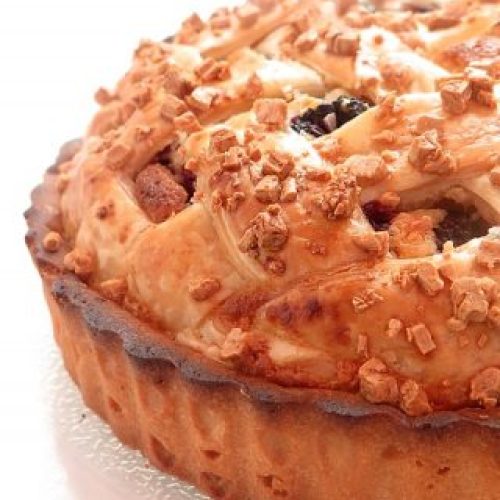
Bisquick Apricot-glazed Pound Cake

Ingredients & Directions 3 c Bisquick 1 1/2 c Sugar 1/2 c Flour 3/4 c Margarine or butter; soft 6 Eggs 8 oz Cream cheese; softened 1 ts Vanilla 1/8 ts Salt TOPPING 1/2 c Sugar 1/2 c Water 1/4 c Orange-flavored liqueur -GLAZE- 1 c Apricot preserves 1/4 c Sugar Heat oven to 350~. Grease tube pan, 10×4″. Beat bisquick, 1 1/2 cups sugar, 1/2 cups flour, margarine, eggs, cream cheese, vanilla and salt in large bowl on low speed, scraping bowl frequently, 30 seconds. Beat on medium speed scraping bowl occasionally 4 minutes. Pour batter into pan. Bake until wooden pick inserted in center comes out clean, 55-60 minutes. Cool 10 minutes; remove from pan. Heat 1/2 cup sugar and the water to boiling; reduce heat. Simmer uncovered 2 minutes; cool to lukewarm. Stir in liqueur. Slowly drizzle over cake. Press preserves thru sieve. Heat preserves and 1/4 cup sugar to boiling, sitrring constantly; reduce heat. Simmer uncovered until slightly thickened, 1 to 2 minutes. Cool slightly; spread over top, allowing some to drizzle down sides. Yields 16 Servings
Muffuletta Bread
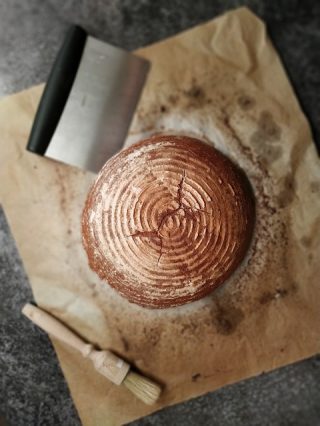
Ingredients & Directions 1 c Warm water (110F) 1 tb Sugar 1 tb Active dry yeast 3 c Bread flour 1 1/2 ts Salt 2 tb Vegetable shortening 1 ea Sesame seeds In a 2-cup measuring cup, combine water and sugar. Stir in yeast. Let stand until foamy, 5 to 10 minutes. In a food processor fitted with the steel blade, combine 3 cups flour, salt and shortening. Add yeast mixture. Process until dough forms a ball, about 5 seconds. Stop machine; check consistency of dough. It should be smooth and satiny. If dough is too dry, add more warm water, 1 tablespoon at a time, processing just until blended. If dough is too sticky, add more flour, 1 or 2 tablespoons at a time, processing just until blended. Process 20 seconds to knead. Lightly oil a large bowl, swirling to coat bottom and sides. Place dough in oiled bowl; turn to coat all sides. Cover bowl with plastic wrap. Let rise in a warm, draft-free place until doubled in bulk, about 1-1/2 hours. Lightly grease a baking sheet. When dough has doubled in bulk, punch down dough; turn out onto a lightly floured surface. Form dough into a round loaf about 10 inches in diameter; place on greased baking sheet. Sprinkle top of loaf with sesame seeds; press seeds gently into surface of loaf. Cover very loosely with plastic wrap; let rise until almost doubled in bulk, 1 hour. Place rack in centre of oven. Preheat oven to 425F. Remove plastic wrap. Bake loaf in centre of preheated oven 10 minutes. Reduce heat to 375F; bake 25 minutes. The loaf is done when it sounds hollow when tapped on bottom. Cool completely on a rack before slicing. makes 1 loaf. Yields 1
Potato And Herb Stuffed Bread
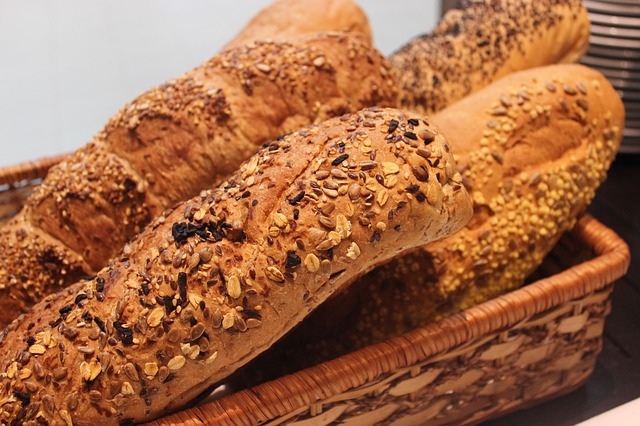
Ingredients & Directions -FOR STUFFING- 4 md Sized potatoes 1/2 ts Red pepper 1 ts Ground cumin 1 ts Ground coriander 1 1/4 ts Kosher salt 3 tb Chopped fresh coriander -leaves FOR THE BREAD 2 c Chapati flour or whole wheat -flour 1 c All-purpose flour 3 tb Indian vegetable shortening -or light vegetable oil 1 ts Kosher salt 1 c Warm water, about 90 to 100 -degrees 1/2 c Flour for dusting 1/2 c Melted indian vegetable -shortening or light -vegetable oil for brushing Stuffing: Boil the potatoes in their jackets until very soft. Peel and mash them thoroughly. Add the remaining stuffing ingredients. Mix well and set aside. This filling can be prepared ahead and refrigerated for a day. There is no need to warm the stuffing before filling the bread. To prepare the bread: Combine flours with salt in a bowl. Reserve about 1 teaspoon of shortening, and rub the remainder into the flour, with your finger tips until the mixture resembles coarse meal. Add most of the water to form a mass. Slowly add more water tablespoons at a time until dough forms. Brush the work surface and your hands with the reserved teaspoon of fat. Place the dough on the greased surface, and knead for 10 to 15 minutes. This will be a very soft and pliable dough. Put back in bowl and cover with a moist towel or a sheet of plastic wrap and let it rest, preferably in a warm place, for at least 1/2 hour. Divide the bread dough and the filling into 12 equal portions. Take one piece dough and flatten it into a 4-inch round pillow with your hands. Depress the center slightly and place a portion of the filling into the depression. Bring the sides of the dough over the filling and enclose it completely. Press lightly but firmly to flatten it into a pillow, either between your hands or the work board. With your fingers, pinch the edges slightly, so that the filling is in the center and not near the edge where it could break through the dough. Cover with plastic wrap or a moist towel to prevent drying. Pick up each pattie and dust with flour. Firmly pat the pattie to make filling adhere to dough. Roll out to a 6-inch circle dusting with flour as you go, to prevent sticking. Cover with plastic wrap or moist towel. Heat the griddle or frying pan cook each bread for 2 minutes or until brown spots begin to appear. Flip the bread over and cook for 30 seconds. Brush lightly but thoroughly with melted shortening or oil and cook on original side for 30 seconds. Brush other side and flip again. Keep warm in a covered dish or tightly wrapped with foil. Note: They can also be made several hours ahead and reheated in a 300 degree oven for 10 to 12 minutes. Yields 1 Servings
Bread Making Basics #2
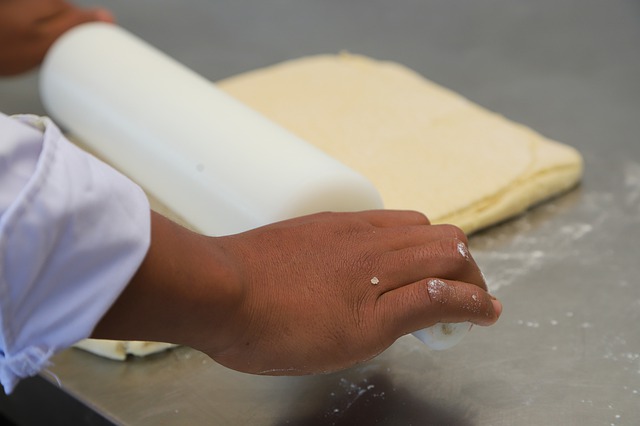
Ingredients & Directions These notes are condensed from ‘Beard on Bread’ by James Beard, 1974, Alfred A. Knopf, NY Leavening: Active dry yeast is commonly available in packets containing approx. 1 tablespoon, and in larger containers. Yeast generally comes marked with an expiration date, but in bulk quantities may not be dated and should be “proofed” before using. Dry yeast should be dissolved in a liquid at a temperature of 100 to 115 F. This limit should be strictly observed and the first few times you make bread you should measure the temperature of the liquid and note how it feels on your wrist. After that you can guage the temperature accurately enough just by feel. There is a method of just mixing the yeast with other dry ingredients and then adding the liquid. A lot of people like this method because it is faster, but I prefer the old-fashioned way; perhaps the dough rises faster, but at the expense of the final flavor it seems to me. For yeast to become activated it must have something to feed on, sugar in one form or another is generally used for this purpose; not just as flavoring in the bread. Salt is used to slow the action of the yeast, as well as bring out the other flavors in the bread. Sourdough and salt-rising starters are ‘homemade’ leavening agents, and can be unpredictable. You can get better results if you use yeast as well, and your bread will be lighter and have more flavor. Baking powder is another leavening agent and is included in many fruit or vegetable breads such as banana or zucchini bread. Baking soda is often used to counteract the acid in fruit breads, and is used with yeast to sweeten the batter in recipes like English crumpets. The time required for the rising of the dough will vary greatly depending on such factors as temperature and humidity of the day, the character of the yeast and flour, and the kneading. To proof yeast: pour the yeast into the warm liquid and add the sugar, stir well and set aside. After a few minutes the fermentation of the yeast will become apparent as the mixture swells and small bubbles appear on the surface. A characteristic aroma will also be apparent. Yields 1 info
Sweet Potato Pecan Bread
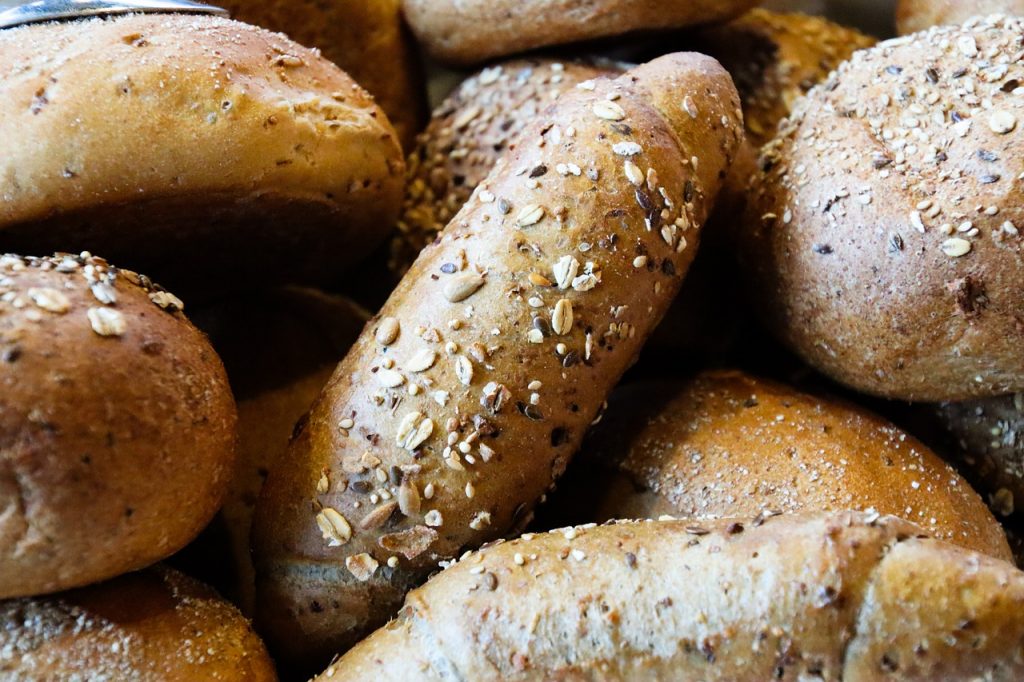
Ingredients & Directions 2 1/4 ts Yeast 3 c Bread flour 4 tb Rolled oats 1/2 ts Cinnamon 2 pn Nutmeg 1 1/2 ts Salt 2 tb Brown sugar; dark 3 tb Powdered milk 3 tb Butter or margarine 3/4 c Sweet potatoes, cooked; -mashed 3/4 c Water 3 tb Raisins; dark 1/3 c Pecans; chopped Place all ingredients in machine and push start. Use raisin bread cycle, adding fruit and nuts at beep. From THE ULTIMATE BREAD MACHINE COOKBOOK by Lacalamita Yields 1 Servings
Lavash (crispy Flat Bread)
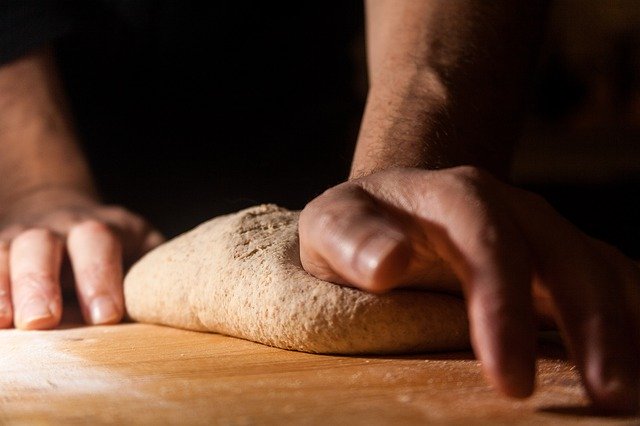
Ingredients & Directions 1 ts Active Dry Yeast 1/2 ts Sugar 6 oz Whole-Wheat Flour 6 oz All-Purpose Flour 1/2 ts Salt Optional Toppings: Poppy Seeds; Topping, -Optional Sesame Seeds; Topping, -Optional 1 Egg White; Mixed With 1 tb Water; Topping, Optional Mix the yeast and sugar with some warm water. Whisk well, cover and leave 10-15 minutes until foamy. Meanwhile, mix the flours and salt in a bowl. When the yeast mixture is ready, pour it into the bowl and add enough water to mix to a pliable dough. Knead for 10 minutes or 100 strokes. Put in a clean bowl and spray surface with water. Cover and leave to rise for at least 1 hour. Preheat the oven to 375 deg F (190 C). Punch the dough down and divide into 10 pieces . Roll each piece out on an unfloured board as thinly as possible. Place on ungreased baking sheets, fitting as many as possible on each sheet without them touching. Bake 20 minutes, or until crispy and golden. OPTIONAL: Can also add sesame seeds, poppy seeds etc using an egg wash to make them stick. Excellent!! Entered into Yields 10 Servings
Ha'penny Friendship Bread-pg. 3****fjvs25a
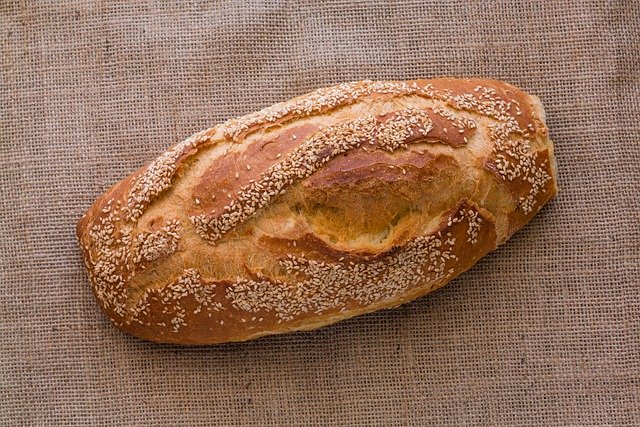
Ingredients & Directions DECORATION DIRECTIONS TO DECORATE: Make small 1/2″ slit in top crust of each loaf; insert shinny copper penny. Tie loaves with ribbon and decorate with small sheaf of wheat or other grain, dried flowers, silk flours or dried berries. Attach friendship note which will follow on last note. TO PRESERVE BREAD: Allow loaves to dry in cook dry place for several days until VERY HARD. Spray or brush clear, glossy polyurethane or spray clear, glossy resin around loaf. Let dry; repeat with second coat. When dry, decorate as desired. TIP: Loaves may be brushed with mixture of 1 egg white and 1 tbsp. water before baking. If desired, sprinkle with sesame or poppy seed. For crusty topped loaves, set small pan of water in oven while bread is baking. History and Friendship Poem to follow in next note. Marilyn Sultar Yields 2 servings